The radio empire
A voice in every kitchen
How a man turned away by WGN in 1934 ended up on hundreds of stations, with the desert as his studio.
Springer’s radio career began with a rejection. When he applied for time on Chicago’s WGN in 1934, the station asked the AMA’s Bureau of Investigation about him and turned him down. He found a twice-daily slot on WCFL, then moved on to KDKA in Pittsburgh around 1935.
The formula never really changed: gospel music, folksy talk, health advice and an appeal. Listeners who sent a donation received a product, a newsletter and an invitation to visit. After 1944 the broadcasts came from Zzyzx itself, where he built a recording studio and mailed tapes to stations around the country. Courts later found that his products were “distributed gratis” in exchange for donations prompted by his radio appeals.
The reach was enormous. The Los Angeles Times put it at 221 U.S. stations and 102 overseas; the National Park Service says “over 300 stations worldwide.” Baker, the nearest town, built a post office to handle the mail.
Tune the dial below to compare what he claimed with what investigators found.
The product line
What he sold vs. what the record shows
The rivals
Springer wasn’t the first radio healer. John R. Brinkley sold goat-gland surgery on KFKB until regulators pulled his license in 1930; Norman Baker pushed a fake cancer cure on KTNT. Both fled to Mexican “border blaster” stations. Springer outlasted them, perhaps because he sold teas and sermons instead of surgery. Read about the rivals →
Read next
5 min read
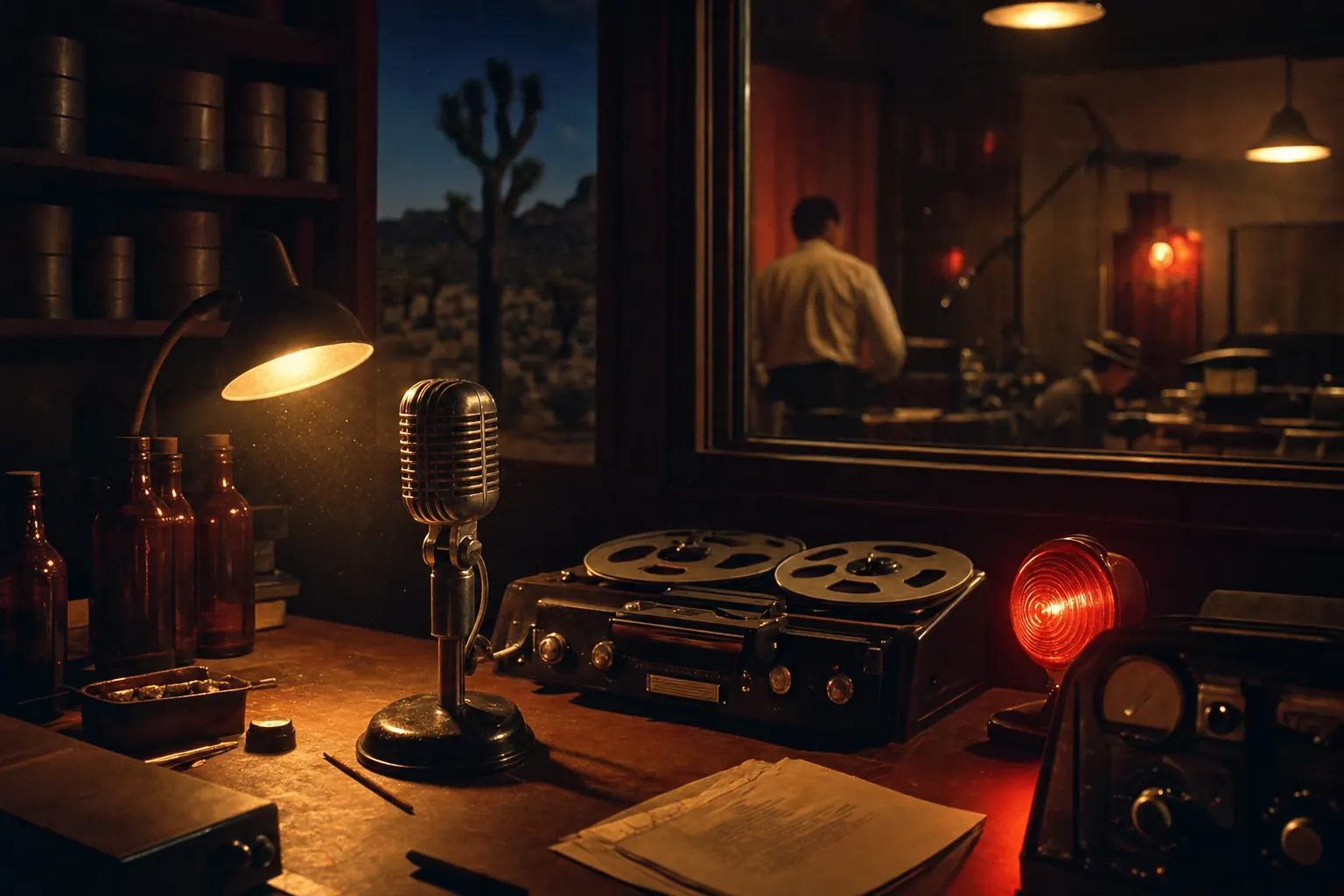
221 Stations and a Microphone: How Curtis Springer Built a Radio Health Empire
At his peak, Curtis Howe Springer's program ran on 221 U.S. stations and 102 abroad. How a radio evangelist turned airtime, a newsletter and a free bus into a desert empire.
5 min read
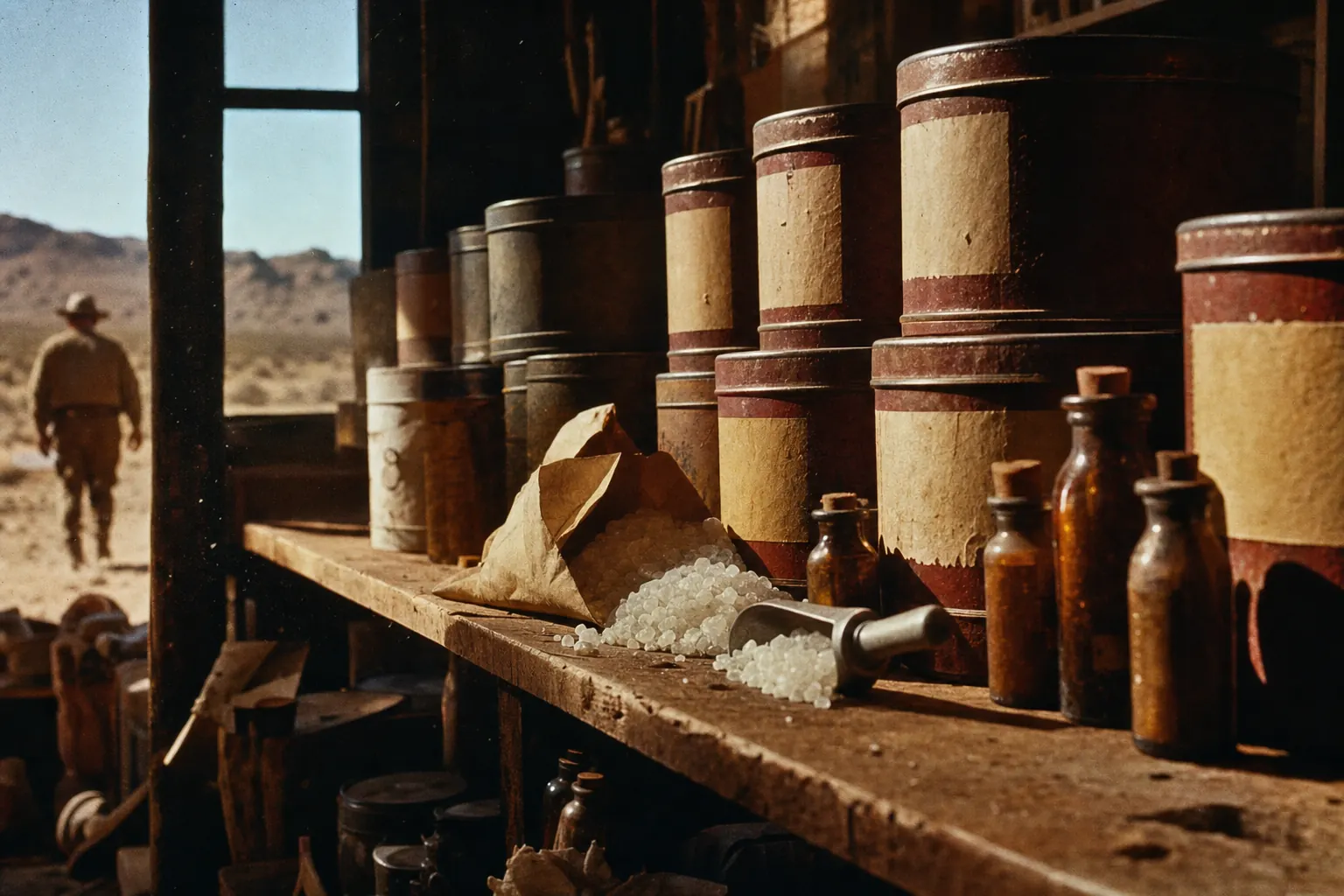
Antediluvian Tea, Re-Hib and Mo-Hair: What Was Actually in Curtis Springer's Cures
Curtis Howe Springer sold tins and tonics by radio for decades. Here is what he claimed, and what the AMA, state investigators and his own employees said was really inside.
5 min read
The Fake File: How the AMA's Bureau of Investigation Tracked Quacks Like Springer
Decades before the FDA policed health ads, a small AMA office kept a "Fake File" on nostrum peddlers. Here is how it worked and what it said about Curtis Howe Springer.
Be first to read it
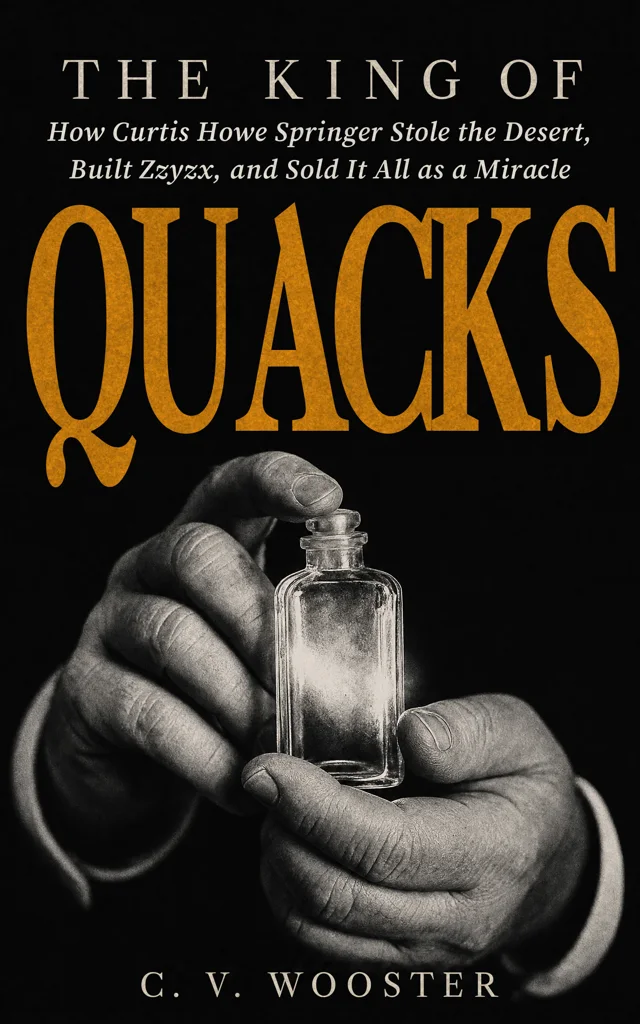
The King of Quacks by C. V. Wooster is the true story of the radio preacher who claimed a desert, named it the last word in the dictionary and sold it all as a miracle.
One email on release day, plus occasional notes from C. V. Wooster. Unsubscribe anytime. See our privacy policy.