I. The salesman
Curtis Howe Springer was born on December 2, 1896. Long before anyone called him a doctor, he was a crowd-builder. As a young man he drummed up audiences for William Jennings Bryan’s speeches against “demon rum” and sold sheet music at Billy Sunday’s revivals. He learned early that a good voice and a moral cause could move people, and move money.
In the late 1920s he turned up in Chicago, connected to an automotive trade school called Greer College. He was gone by 1930. Through the 1930s he lectured across the Midwest, billing himself as the dean of Greer or as a graduate of institutions that did not exist. The lectures were free, but partway through he asked for donations and sold private courses. Later he would call himself “the last of the old-time medicine men.”
II. The voice
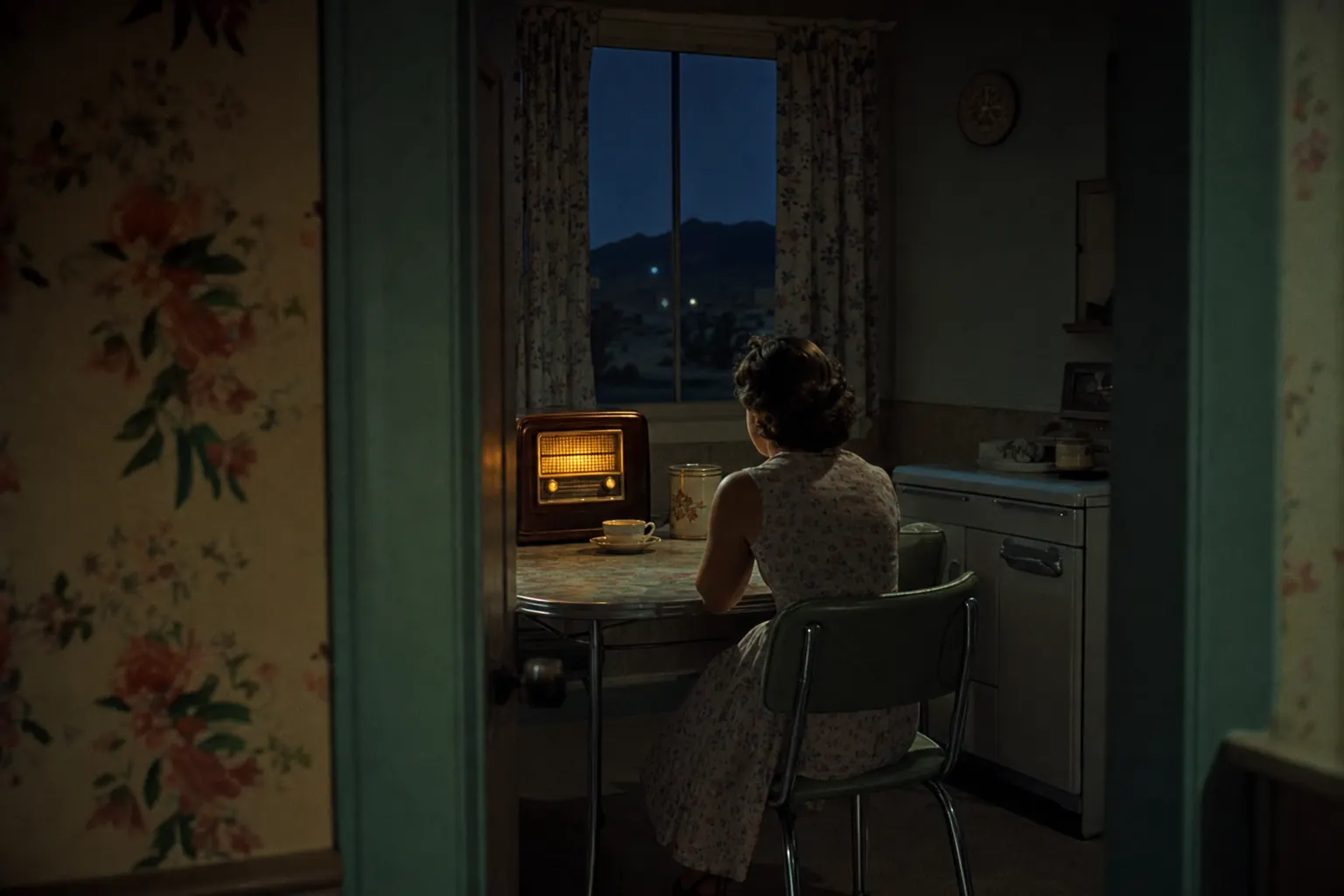
Radio made him. In 1934 he asked Chicago’s WGN for airtime. The station checked with the American Medical Association’s Bureau of Investigation and said no. He found a twice-daily slot on WCFL instead and later preached over KDKA in Pittsburgh. In September 1935 the AMA published its verdict in its journal under a blunt title: “Curtis Howe Springer: A Quack and His Nostrums.” It could find no evidence he had graduated from any reputable college.
The column didn’t stop him. By the early 1940s he was in Los Angeles, giving free twice-daily lectures in downtown hotels such as the Alexandria and selling his products to the people who came.
III. The kingdom
In 1944, Springer and a small group came to Soda Springs, a spring-fed oasis on the western shore of Soda Dry Lake, off what is now Interstate 15. People had used the springs for thousands of years, and the Army had kept an outpost there in the 1860s, but in 1944 the land was federal and nearly empty. Springer filed mining claims, by his account on 12,800 acres, and gave the place a name of his own invention: Zzyzx, meant to be the last word in the English language.
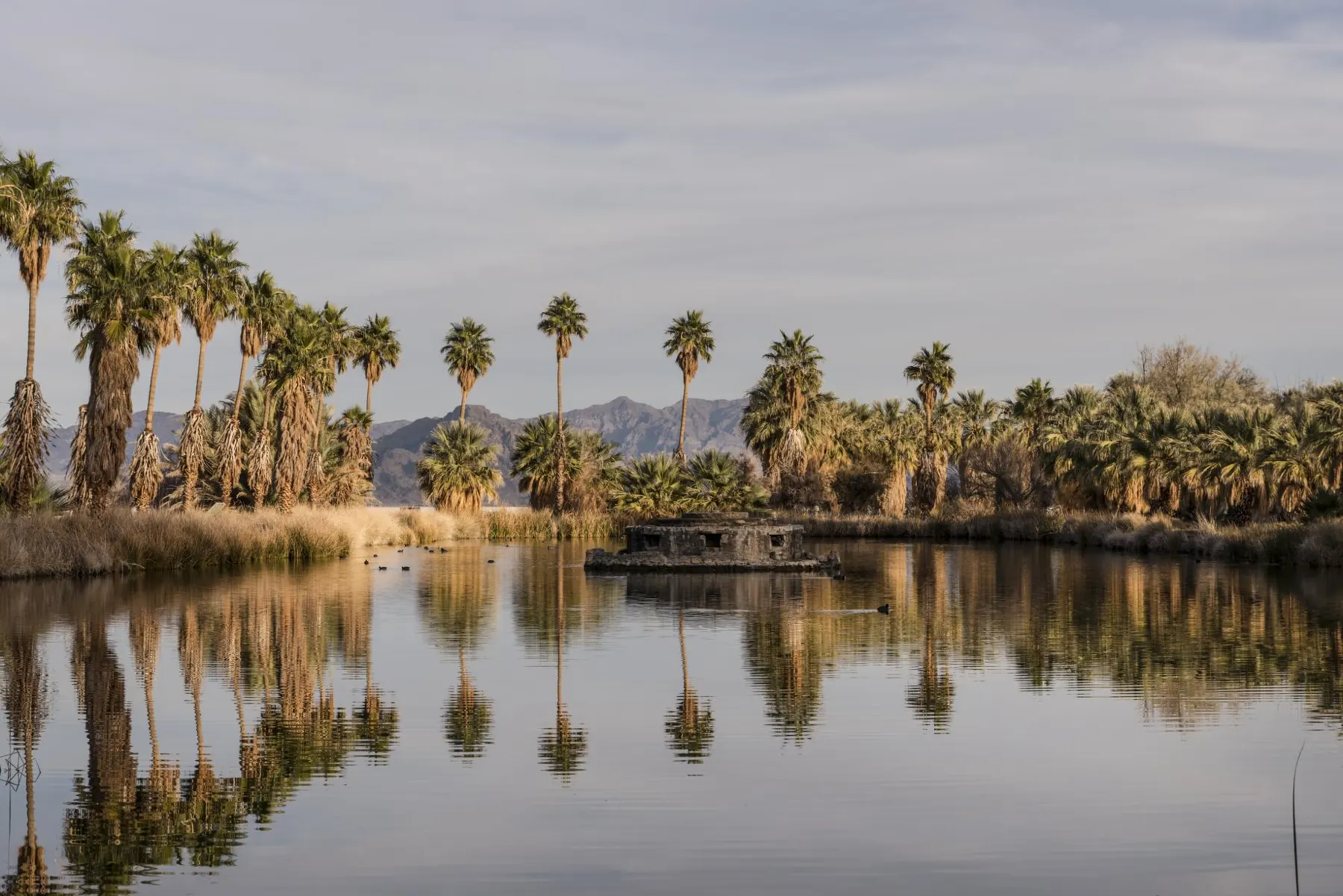
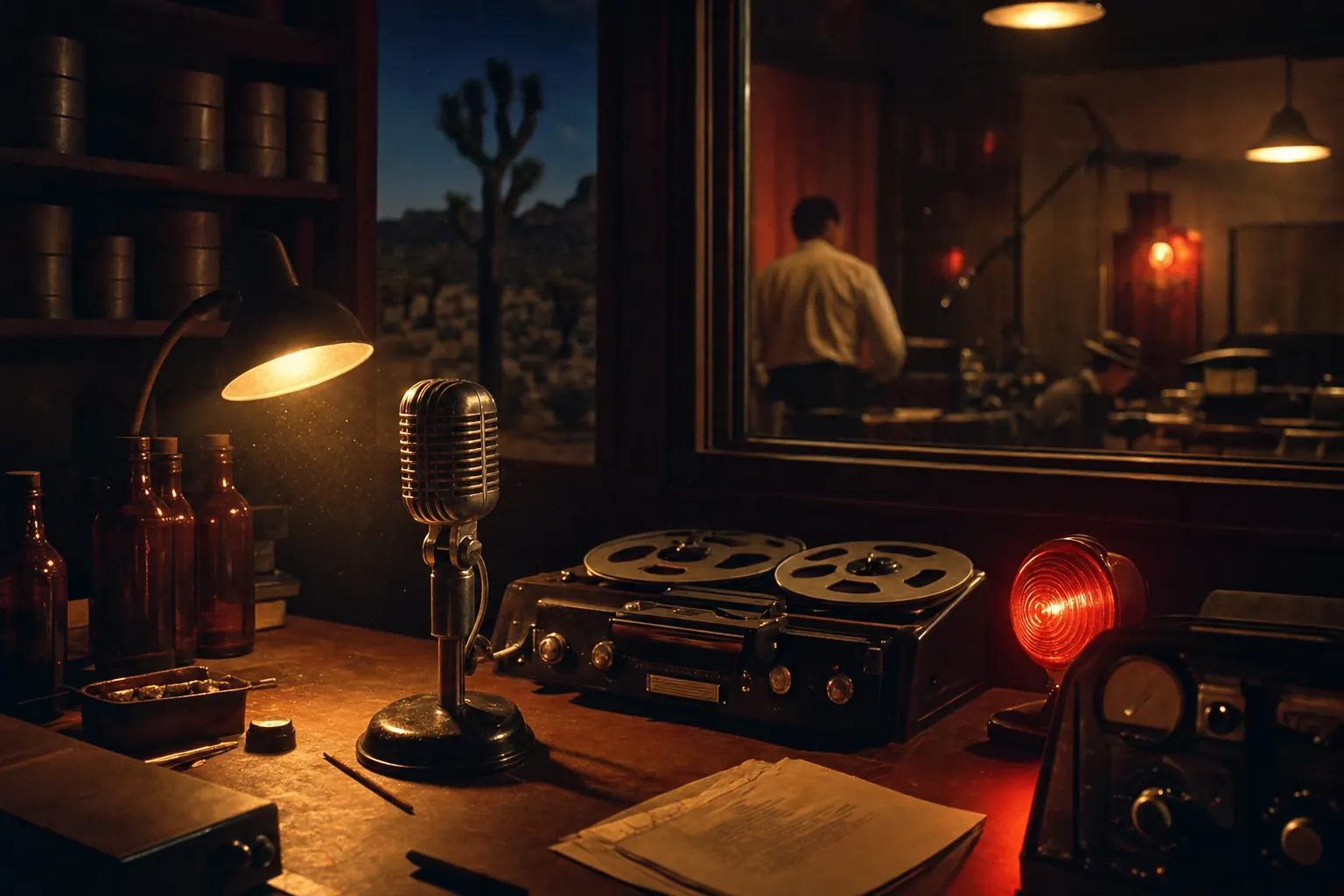
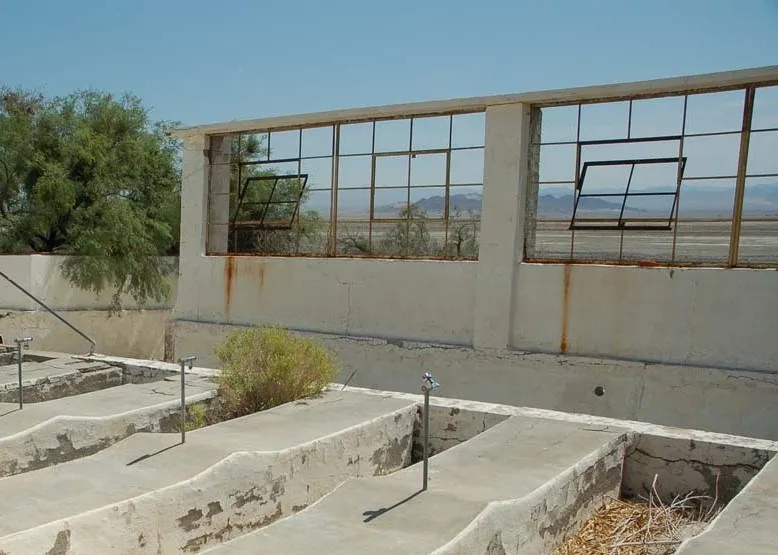
Then he built. Over the next three decades the claims filled with guest wings, a dining hall, a chapel, food-processing and printing plants, a recording studio, a pool house whose small soaking baths were laid out in the shape of a cross, an airstrip he called Zyport and a spring-fed lake he named Lake Tuendae. The Park Service adds a two-story “castle,” a goat farm and rabbit rooms. There was a free bus from downtown Los Angeles every Wednesday. Guests paid on a sliding scale, and nobody was turned away for lack of money.
The money came from the radio. At his peak Springer’s program ran on 221 stations in the United States and 102 overseas, according to the Los Angeles Times. Listeners sent donations and received tins: Antediluvian Tea, Hollywood Pep Cocktail, Re-Hib, Zy-Crystals, Mo-Hair. The Park Service says he shipped more than four million packages, and the nearby town of Baker had to build a post office to handle his mail.
“Smoke anyplace on our 12,000 acres,” the resort rules read, “except our dining room.” — as quoted by the Los Angeles Times
IV. The reckoning
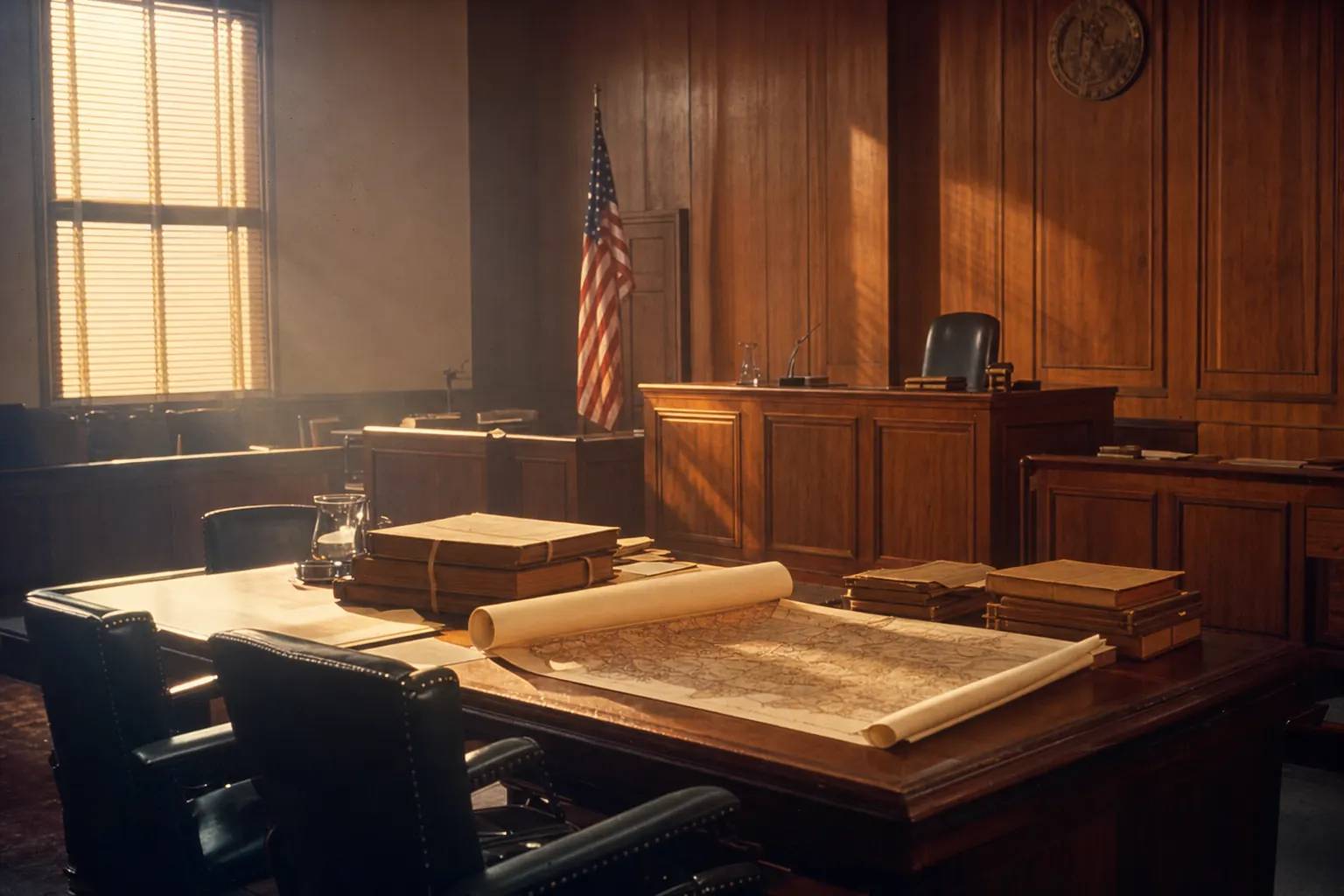
Mining claims are meant for mining. In July 1967 the Los Angeles Times reported that the Bureau of Land Management considered Springer a “super squatter” and wanted $34,187 in damages and back rent. In November 1968 California arrested him on false-advertising charges. By the Ninth Circuit’s count his convictions included eighteen counts of false advertising, some on pleas of guilty. The federal case moved slowly but steadily: a district court ruling in 1970, an injunction in 1971, the invalidation of all ten mining claims in 1972, an ejectment order in 1973. In January 1974 the Ninth Circuit agreed that giving away health products for radio donations “cannot by any stretch of the imagination be considered the mining of valuable minerals.”
On April 11, 1974, Springer was removed from Zzyzx. He and his wife Helen moved to Las Vegas, where he spent his last years defending himself in print. He died on August 19, 1985, at 88.
V. The last word
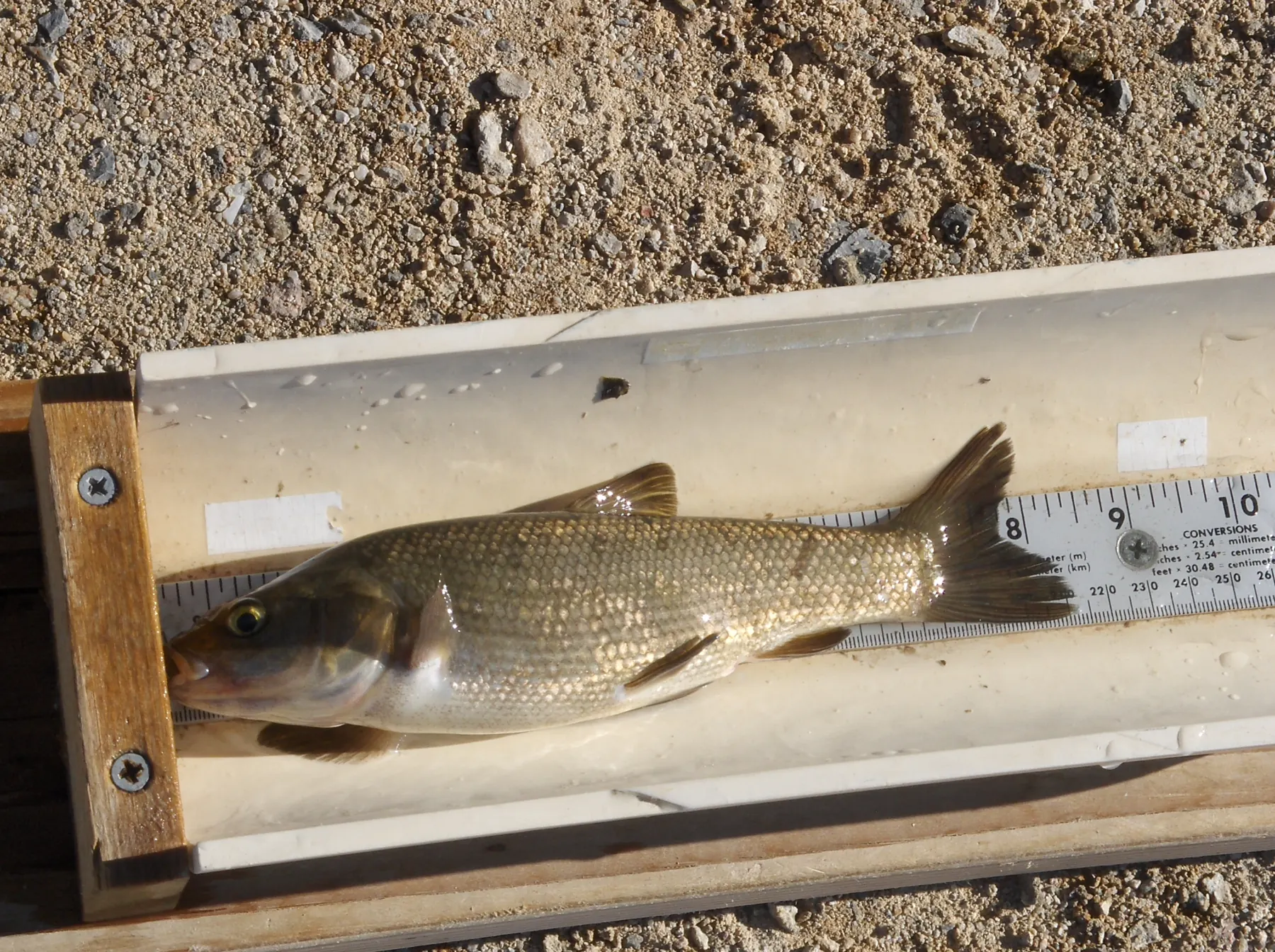
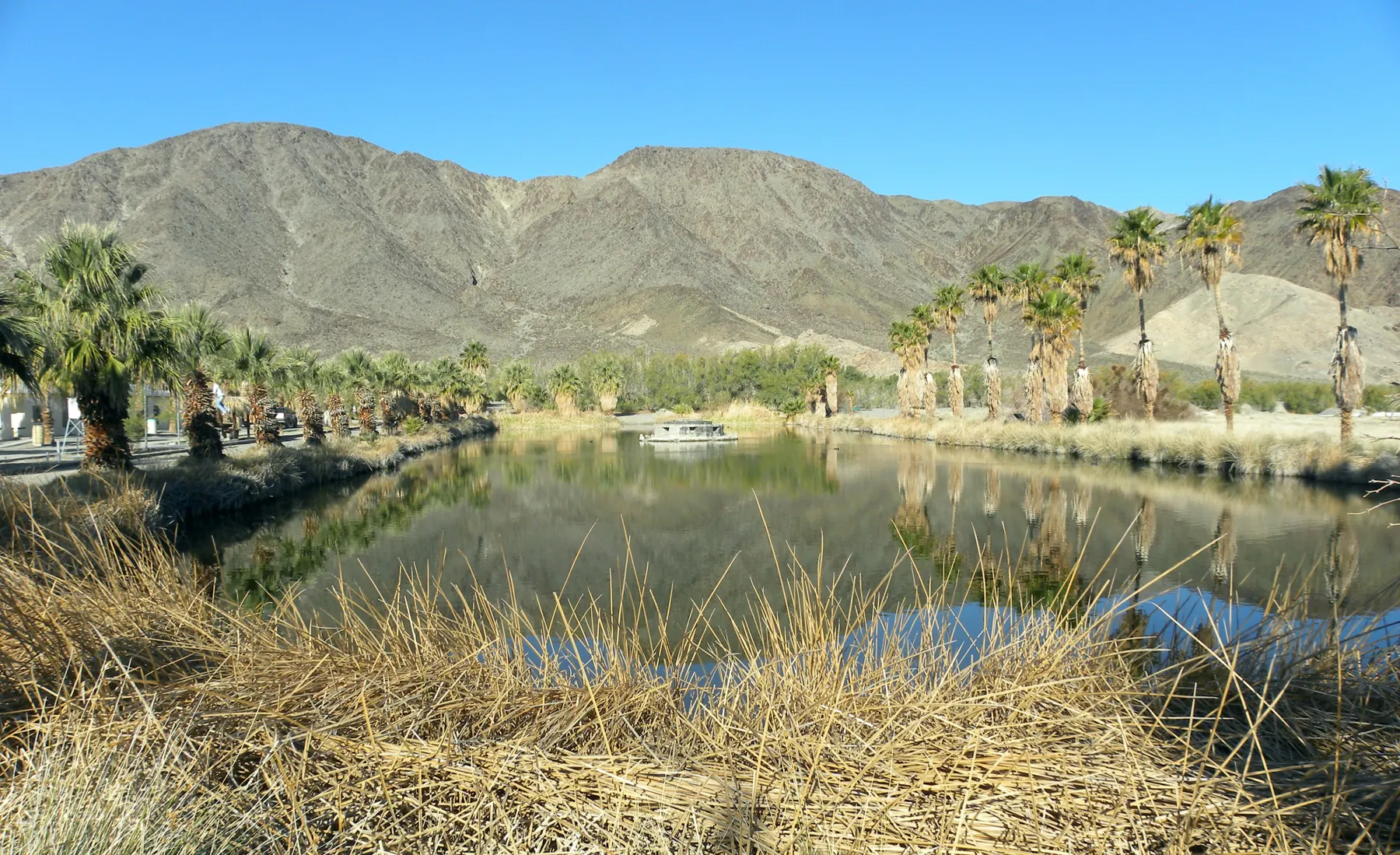
The government could have bulldozed everything. It didn’t, partly because of a fish. The ponds at Soda Springs held the last genetically pure Mohave tui chub, a minnow listed as endangered in 1970. In 1976 the BLM and the California State University turned the old resort into the Desert Studies Center, a field station where students and scientists now work in the rooms where Springer once preached. In 1984 the federal government made the name he invented official.
That is the strangest thing about the King of Quacks. Almost everything he claimed was false, but the place he named is real, and it is still there at the end of a five-mile road for anyone who wants to see it.
Sources
- Wikipedia, Curtis Howe Springer
- The Mojave Project, Zzyzx: Revisiting Doc Springer's Boulevard of Dreams (2015)
- Los Angeles Times, June 16, 2002
- National Park Service, Zzyzx
- JAMA 105(11):900 (1935)
- United States v. Springer, 478 F.2d 43 (9th Cir. 1972)
- United States v. Springer, 491 F.2d 239 (9th Cir. 1974)
- U.S. Fish and Wildlife Service, Mohave tui chub 5-year review
- Wikipedia, Zzyzx, California